India is less a single destination than a continent’s worth of climates stitched together, and the “best” time to visit depends entirely on where you’re headed. Plan around the region rather than the calendar and you’ll rarely be caught out.
h2
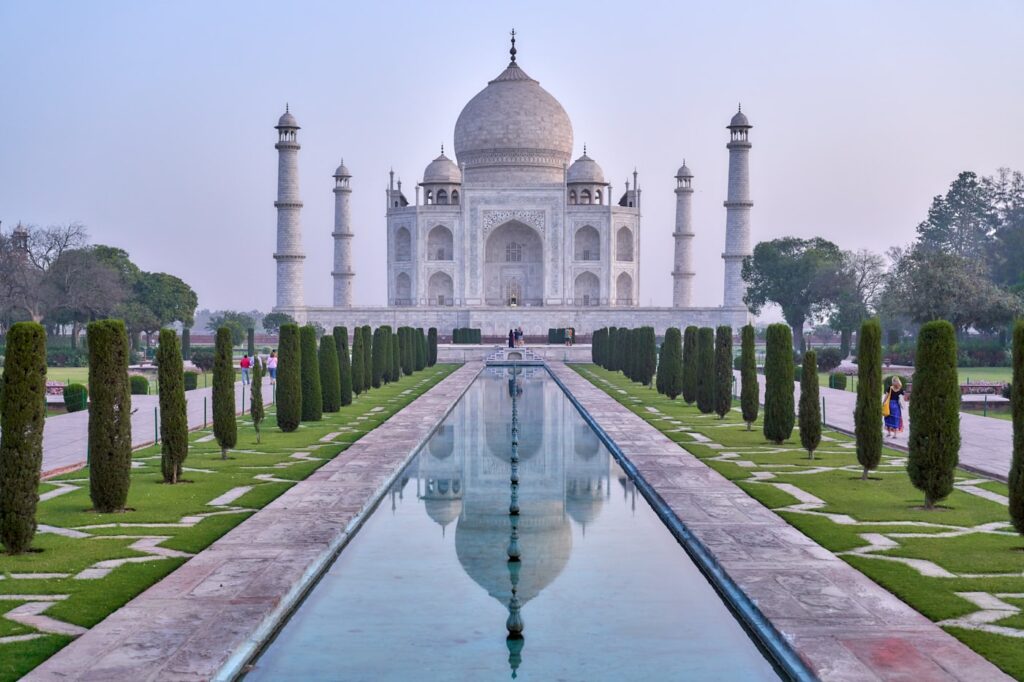
For most of the country, the cool, dry months are ideal. Rajasthan’s deserts are comfortable by day, the beaches of Goa and Kerala are at their best, and the plains of Delhi and Agra shed their summer haze. This is peak season for a reason — book accommodation and trains well ahead.
h2
As the plains climb past 40°C, the Himalayan north comes into its own. Himachal, Uttarakhand and Ladakh open up, mountain passes clear of snow, and hill stations offer cool respite. It’s also the quietest, cheapest time to travel the lowlands if you can handle the heat.
h2
The rains transform the landscape: Kerala’s backwaters brim, the Western Ghats turn emerald, and waterfalls run full. Travel is slower and some regions flood, but Ladakh — in the rain shadow of the Himalayas — stays dry and spectacular. Pack for wet feet and slower schedules.
The short version: time your trip to the region, not the country. Beaches and deserts in winter, mountains in summer, and the rain-shadow north through the monsoon.